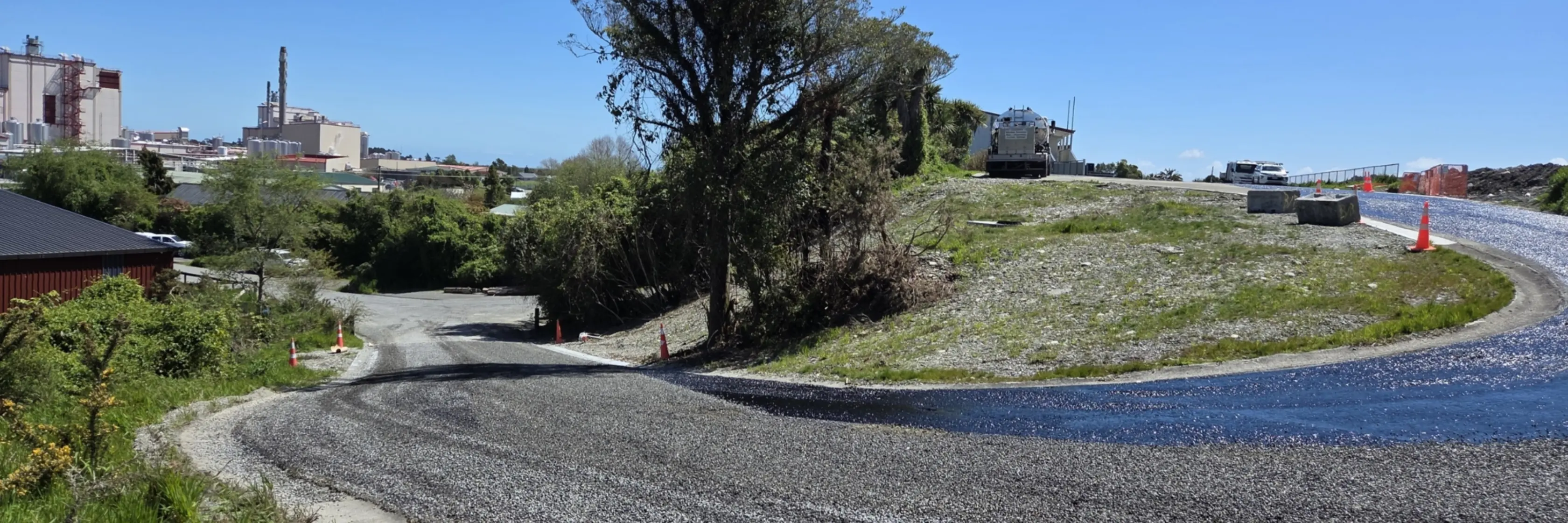
Hokitika Racecourse Infrastructure Project
Westland District Council is the local government authority for the Westland district of the South Island. The Council is responsible for delivering infrastructure that supports the long-term growth and liveability of its townships. Like many smaller councils, Westland District Council must balance community need with careful stewardship of public funding, often working within milestone-based government co-funding frameworks that demand clear accountability at every stage of a project.
Client
Westland District CouncilServices
- Civil Engineering
The challenge
With residential development pressure building and a large tract of land adjacent to the existing Hokitika Racecourse identified for future housing, Westland District Council needed to extend Park Street and construct the enabling infrastructure to open up the area for staged residential development.
The project was significant in scope: a new 300-metre road corridor, two roundabouts, and underground services including stormwater, wastewater, and potable water. The site presented a genuine engineering challenge. The West Coast receives some of the highest rainfall in New Zealand, and the stormwater system needed to be designed not just for current demand, but to carry capacity for multiple future development stages. Connecting into an existing 1,200mm diameter stormwater main required deep excavation and site-specific chamber designs. The project incorporated complex three-waters infrastructure, including a prefabricated surge stormwater chamber and pressurised PE pipeline system designed for high-flow hydraulic conditions.
The project was part-funded through the Crown’s Infrastructure Acceleration Fund (IAF), with $3.5 million allocated to enable new housing to be delivered sooner than would otherwise be possible. Funding payments were tied to clearly defined construction milestones, placing a premium on accurate programme management and clear reporting to ensure conditions were met. The Council needed a consultant who could provide independent engineering leadership, work closely with both the contractor and the project management team, and ensure the Crown's investment was being well spent.
Eliot Sinclair was engaged to take on that role. With a local office in Hokitika and an established working relationship with the Council, we were well placed to provide the responsive, on-the-ground oversight the project demanded.
The solution
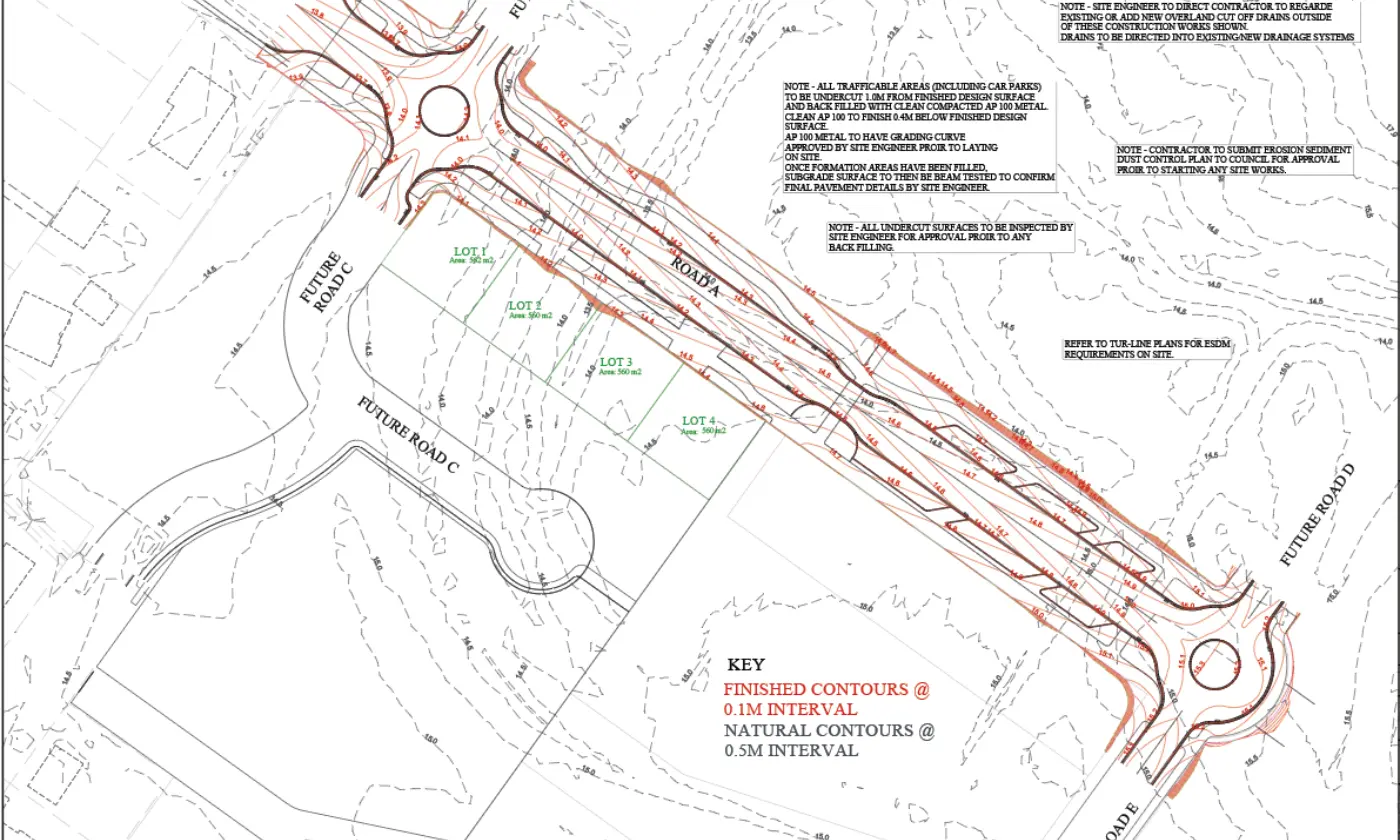
Eliot Sinclair led the civil design from the ground up, collaborating with the Council's engineers and a specialist stormwater consultancy (Stantec) to ensure the design could handle the West Coast's extreme rainfall events. The infrastructure built for Stage 1 was deliberately future-proofed, with future manholes and service connections sized and positioned to serve the planned Stage 2 and Stage 3 residential catchments without costly retrospective works.
Key design elements included a substantial stormwater collection and conveyance system, incorporating a prefabricated surge chamber and sections of pressurised pipeline designed to manage high-velocity flow conditions. One of the primary chambers was sized to a depth of 5.5 metres, reflecting the engineering demands of connecting into the existing trunk network in a high-rainfall environment.
Throughout construction, Eliot Sinclair's Hokitika-based team carried out regular site monitoring, walking the project on a weekly to fortnightly basis alongside the contractor and the Council. Monthly progress reports were prepared and submitted to support government milestone payments, giving the Council a clear and auditable record of construction progress.
Our team remained involved throughout construction, working alongside Council and contractors to resolve site issues and provide independent quality assurance during delivery.
Engineering support was provided in partnership with Josephs and Associates, a project management firm engaged by the Council to oversee programme and budget performance. As the project matured and confidence in the design and delivery process grew, Josephs stepped back and Eliot Sinclair took on full engineering leadership to see the project through to completion.
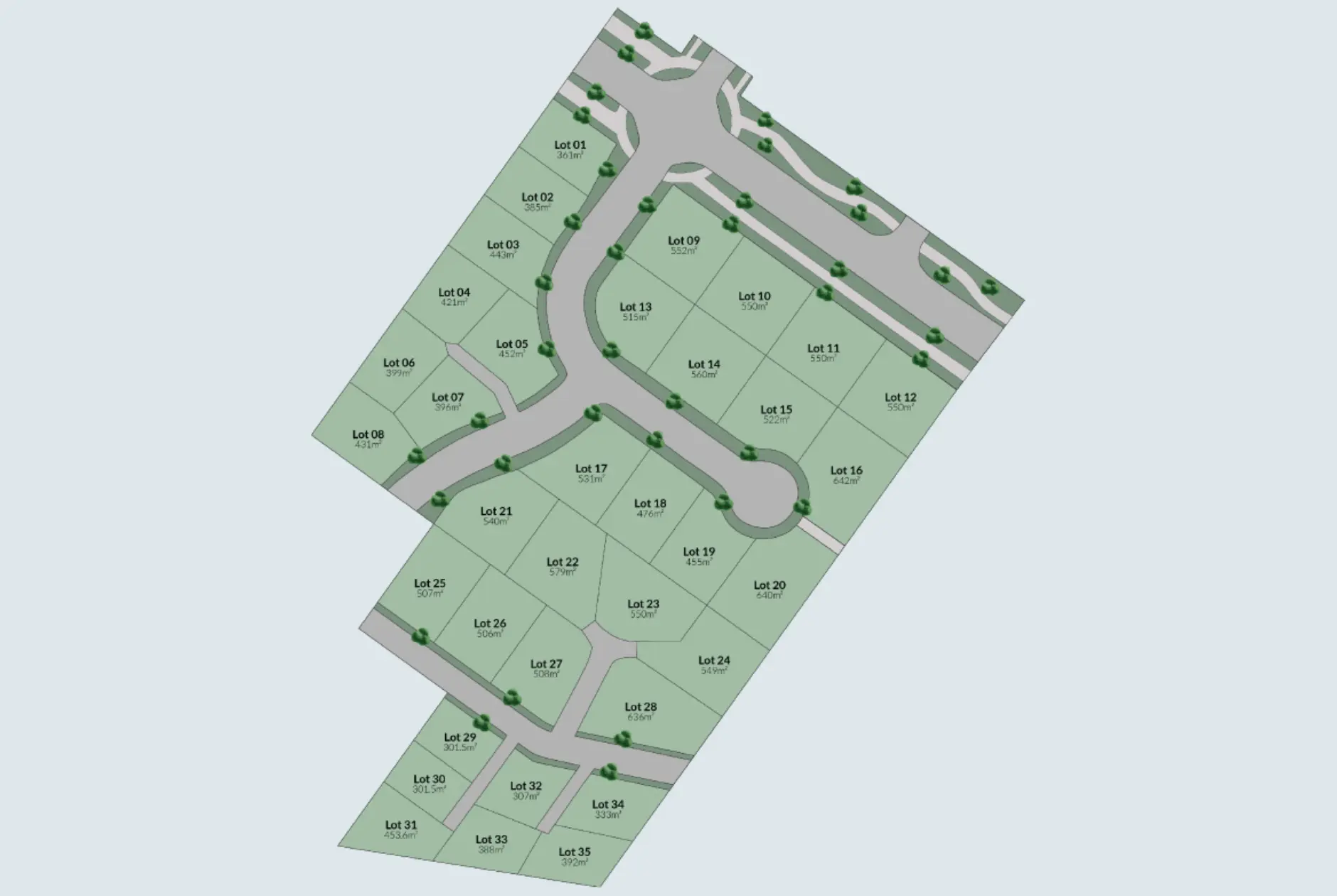
The result is a new road corridor and infrastructure network that is already enabling residential development. Sections in the completed Crestview development are on the market, and the groundwork is in place for Stages 2 and 3 to follow. In total. The IAF-funded infrastructure is expected to enable around 110 new homes, including affordable housing and public homes of older people.
The project has strengthened an already solid working relationship between Eliot Sinclair and Westland District Council, with further collaborative work already in the pipeline.



Related Insights

Land Survey for Building a House in NZ
09 Apr 2026
Most people start their home-building journey…

Will the Te Tai o Poutini Plan close the door on many West Coast Subdivisions?
29 Apr 2025
As part of the proposed Te Tai o Poutini Plan…

Land Development: What you Need to Know
28 Jun 2021
Are you thinking about developing land? There are…