Liquefaction Risk: What It Is and How to Manage the Risk
Building in New Zealand means building in a seismically active environment. Events like the Canterbury earthquakes demonstrated how dramatically the ground can behave during strong shaking, particularly in areas with loose, water-saturated soils.
18 May 2026 | 4 min read
Understanding Liquefaction
One of the most significant geotechnical hazards in these conditions is liquefaction. When it occurs, soil can temporarily lose its strength and behave like a liquid, causing ground settlement, foundation damage, and widespread infrastructure disruption.
Understanding liquefaction is essential for anyone involved in land development, from homeowners planning a new build to developers preparing large subdivisions. With the right investigation and engineering design, liquefaction risk can be identified early and managed effectively.
At Eliot Sinclair, our team combines civil, structural, and Geotechnical Engineering expertise to assess ground conditions and design practical solutions for challenging sites across New Zealand.
What is Liquefaction?
Liquefaction is a soil behaviour that occurs when loose, saturated soils temporarily lose their strength during earthquake shaking.
Under normal conditions, soil particles are in contact with each other and are strong enough to support buildings and infrastructure. However, when strong seismic shaking occurs, water pressure between the soil particles can increase rapidly.
As this pressure builds:
- Soil particles are pushed apart
- The soil loses its structural strength
- The ground begins to behave like a liquid rather than a solid
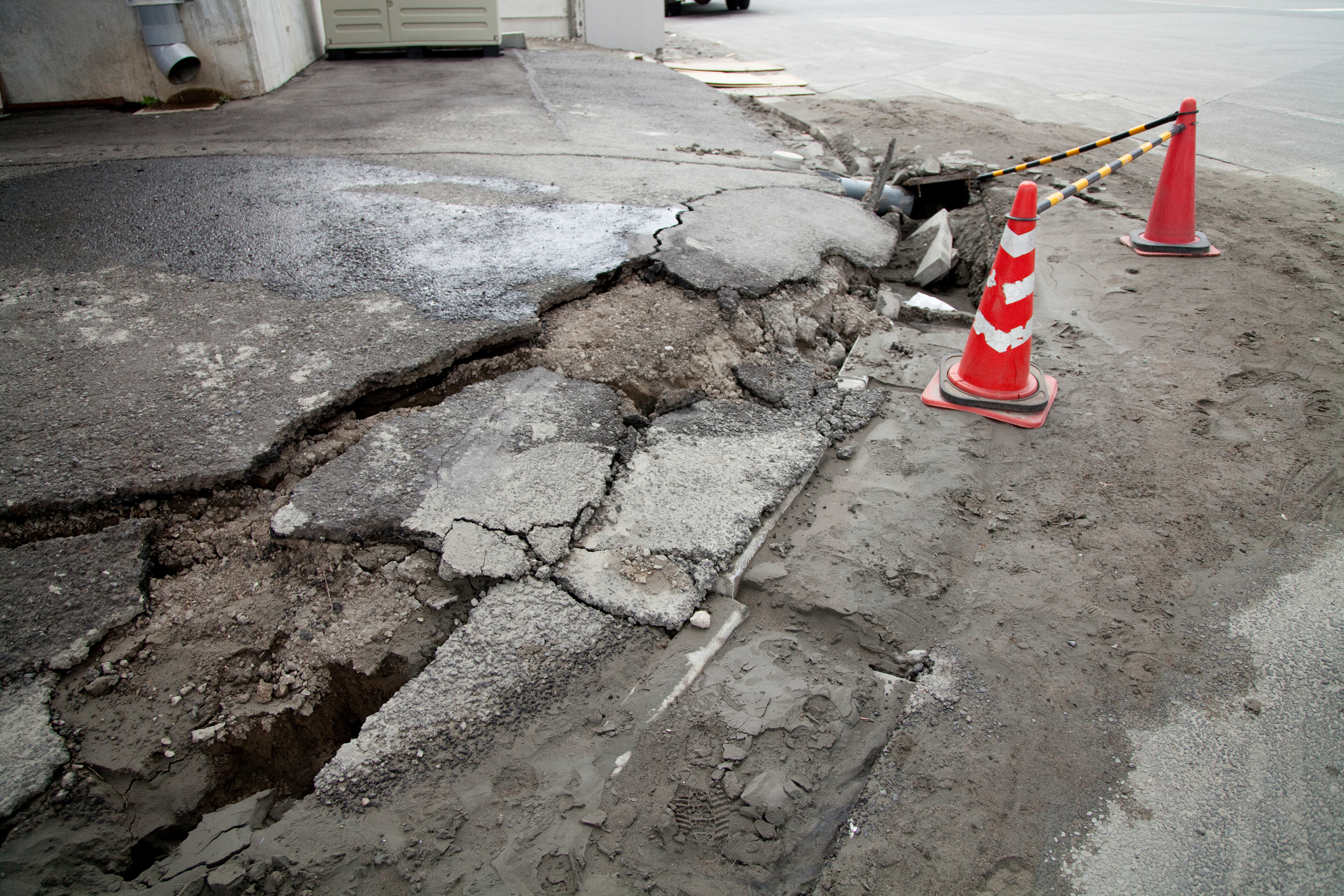
When this happens, the ground may settle, shift, or spread sideways, which can damage building foundations, roads, underground services, and other infrastructure.
Liquefaction typically requires three key conditions:
- Loose granular soils such as sand or silt
- High groundwater levels
- Strong earthquake shaking
Because many coastal and river-plain environments in New Zealand contain these soil conditions, liquefaction is an important consideration in geotechnical design.
If you are new to the topic of soil behaviour and ground engineering, our guide on The Basics of Geotechnical Engineering explains how engineers analyse and interpret ground conditions before development begins.
Why Liquefaction Is a Major Issue in New Zealand
Liquefaction is a particularly important consideration in New Zealand because many urban areas are built on young, water-saturated soils deposited by rivers or coastal processes. These soils often consist of loose sand and silt layers that are highly susceptible to liquefaction during strong earthquake shaking.
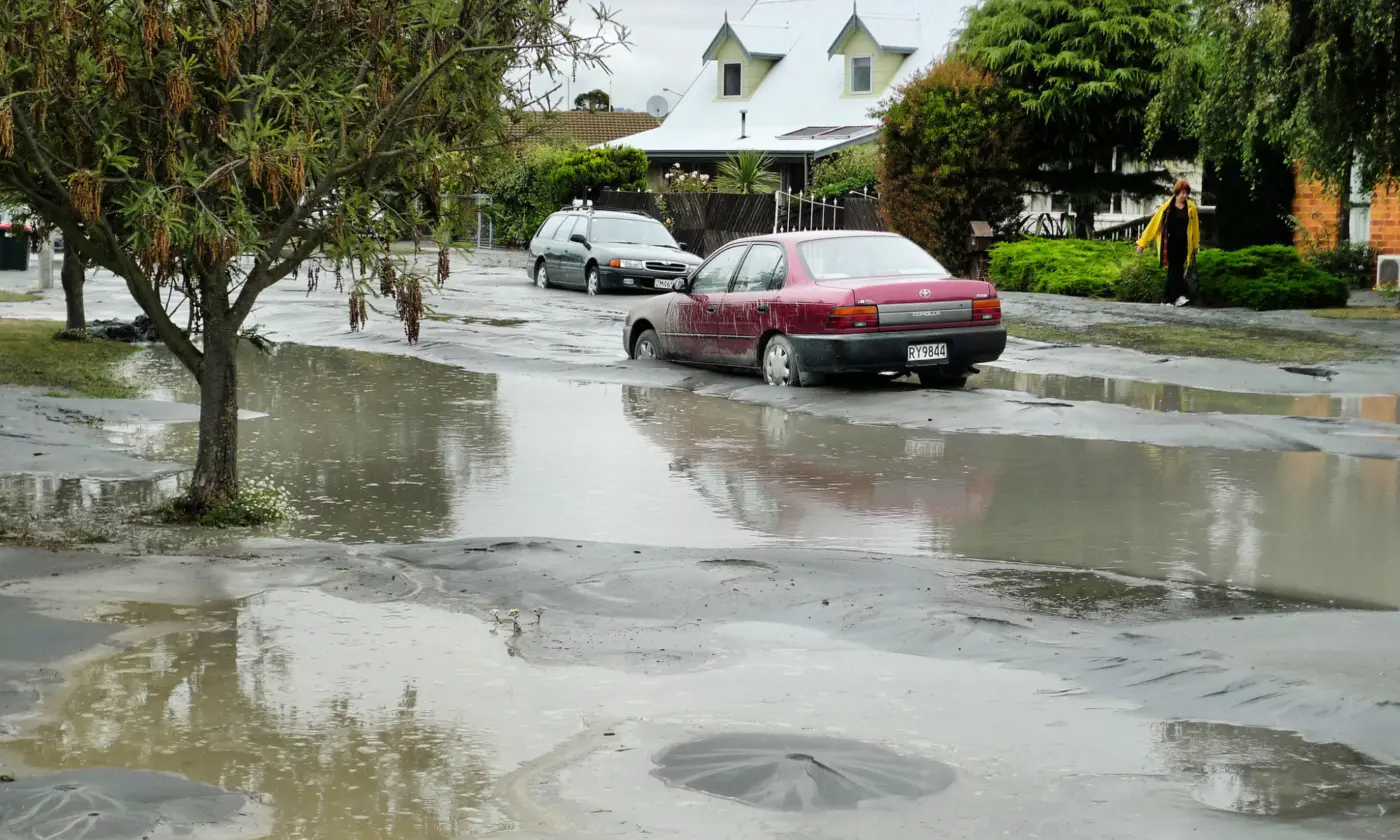
The 2010 - 2012 Canterbury Earthquake Sequence and 2016 Kaikōura Earthquake highlighted just how significant this risk can be. Large areas of Christchurch experienced widespread liquefaction, where sand and water erupted to the surface and the ground settled unevenly across residential neighbourhoods.
In some locations, the effects included:
- Severe ground settlement
- Lateral spreading near rivers and waterways
- Damaged foundations and tilted homes
- Disruption to underground services such as wastewater pipes
These events reshaped how liquefaction risk is assessed and managed across New Zealand.
Today, land development in many parts of the country requires detailed ground investigation to determine whether liquefaction could occur and how foundations should be designed to accommodate it.
What Are the Signs of Liquefaction?
Liquefaction can produce several visible signs at the ground surface during or after an earthquake.
Common indicators include:
- Sand boils where water and sand erupt through cracks in the ground
- Ground settlement as the soil compacts after shaking
- Surface cracking due to lateral ground movement
- Tilting or sinking structures
- Damage to buried services such as pipes and drains
These effects occur because the soil temporarily loses its ability to support loads.
Identifying the potential for liquefaction before construction begins is a key part of responsible land development. Engineers assess this risk through detailed ground investigations and soil testing.
Geotechnical Engineering teams conduct site investigations using techniques such as:
- Borehole drilling and soil sampling
- Cone Penetration Testing (CPT)
- Groundwater level monitoring
- Laboratory soil analysis
These investigations allow engineers to build a detailed picture of subsurface conditions and determine whether liquefaction could occur at a site.
You can learn more about how our engineers interpret ground data in our article on The Crucial Role of Soil Testing in Geotechnical Services.
Can Liquefaction Cause Ground Subsidence?
Yes, it frequently does. To put it simply, ground subsidence is the downward sinking or settling of the earth's surface.
During an earthquake, liquefaction causes soil particles to become temporarily suspended in water, losing their ability to support the weight above them. When the shaking stops and the excess water escapes to the surface, the soil begins to compact and sink. This sudden drop is what we call subsidence.
This process can cause:
- Permanent ground settlement
- Uneven foundation movement
- Structural cracking or tilting
- Damage to roads and underground infrastructure
In some cases, liquefaction can also trigger lateral spreading, where large sections of ground slowly move sideways, particularly near rivers, estuaries, or coastal edges.
Because these ground movements can significantly affect structures, engineers often work across disciplines to develop resilient foundation systems.
How Engineers Assess Liquefaction Risk
Determining whether liquefaction could occur at a site requires detailed geotechnical investigation and soil analysis.
Engineers begin by studying the site’s geological context and historical land use, which can provide early clues about soil composition and groundwater conditions. This initial review is followed by targeted field testing.
Common investigation methods include:
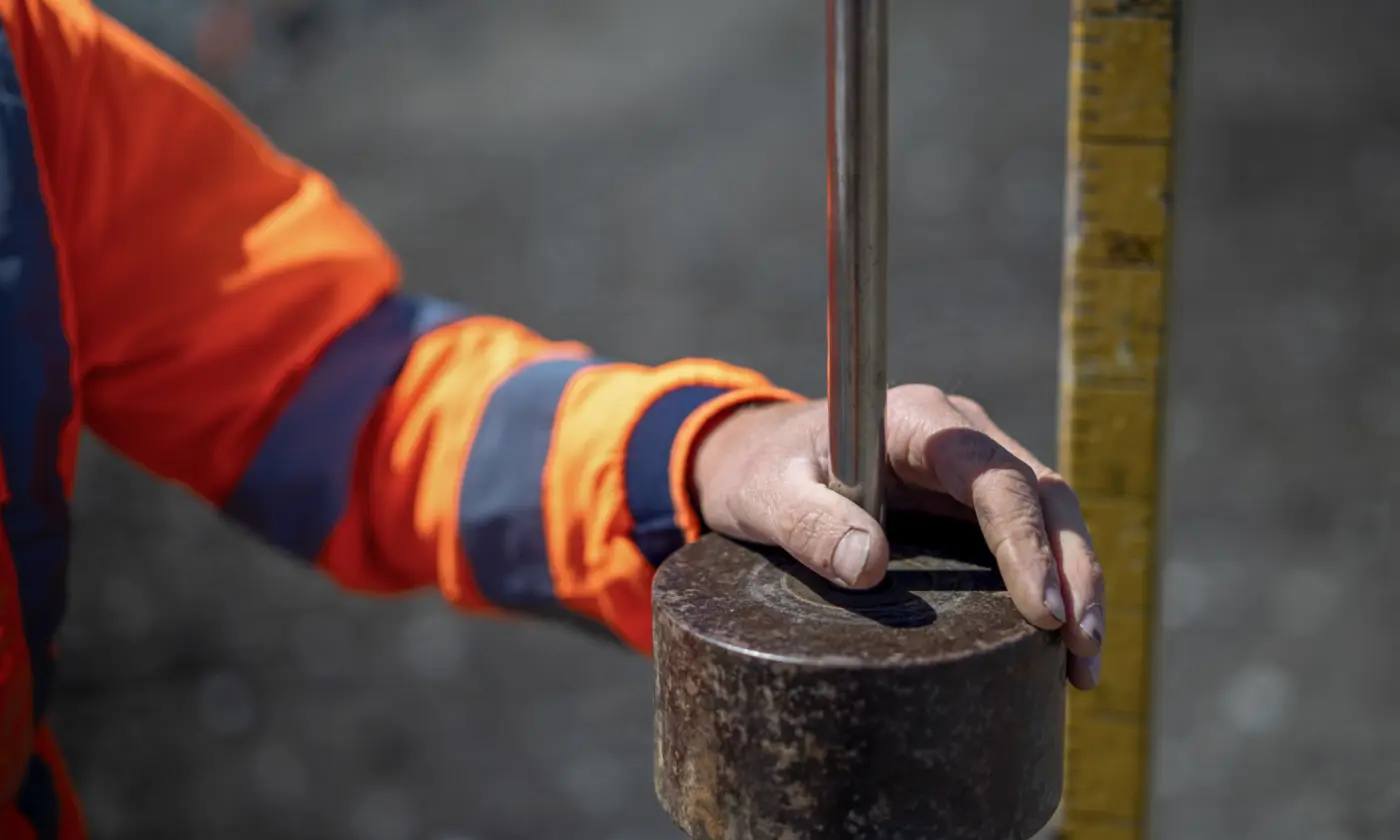
Cone Penetration Testing (CPT)
A probe is pushed into the ground to measure soil resistance and pore pressure, allowing engineers to identify loose, liquefiable soil layers.
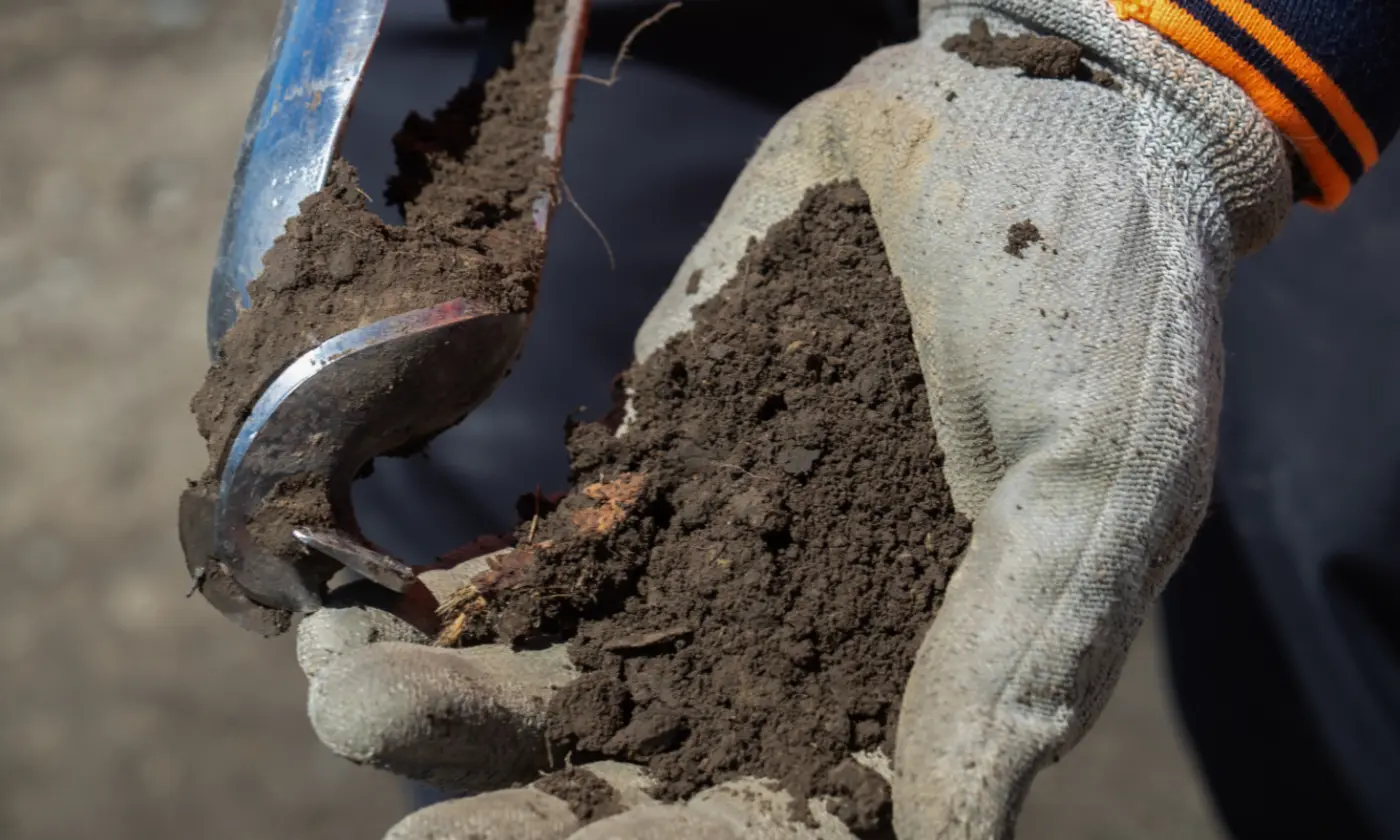
Borehole drilling and soil sampling
Samples are taken at different depths so that soil type, density, and moisture conditions can be analysed in a laboratory.
Groundwater monitoring
High groundwater levels significantly increase liquefaction potential, so monitoring wells may be installed to measure seasonal water levels.
Using this data, geotechnical engineers evaluate whether liquefaction could occur during an earthquake and estimate the likely severity of ground settlement.
This analysis is documented in a geotechnical report, which guides the design of foundations, earthworks, and other structural elements.
Liquefaction Risk Management
While liquefaction cannot be prevented entirely, its impact can be significantly reduced through careful engineering design. Mitigation strategies may include:
Ground improvement techniques
- Soil densification
- Vibro-compaction
- Stone columns or gravel drains
- Soil replacement
Specialised foundation systems
- Deep pile foundations
- Reinforced concrete raft foundations
- Ground-bridging foundation designs
The appropriate solution depends on the specific soil conditions identified during site investigations.
This is why geotechnical assessment is typically one of the earliest steps in the development process. A detailed geotechnical report allows engineers to understand the site’s subsurface conditions and design appropriate foundations from the outset.
When Should Liquefaction Be Considered in a Development Project?
Liquefaction risk should ideally be assessed early in the development process, before detailed design or construction begins.
Early investigation allows engineers to identify potential ground issues and incorporate appropriate mitigation strategies into the project design. Addressing these risks at the planning stage is usually far more cost-effective than dealing with foundation problems later.
Liquefaction assessment is particularly important when:
- Developing land in river plains, coastal areas, or reclaimed land
- Constructing multi-storey buildings or infrastructure
- Planning subdivisions or large residential developments
- Building in seismically active regions
The right solution always depends on the specific soil conditions we identify during our initial site investigations. By engaging us early in the process, you gain a dedicated partner who understands your site's subsurface conditions from the outset.
The Bottom Line
Liquefaction is a complex geotechnical issue, but with the right investigations and engineering expertise, its risks can be managed effectively.
By assessing ground conditions early and designing foundations that respond to those conditions, engineers can help ensure developments remain safe, resilient, and compliant with New Zealand’s building standards.
If you are planning a project and need advice on site conditions or seismic ground risks, the team at Eliot Sinclair can help. Our Geotechnical Engineering specialists work alongside our civil and structural teams to deliver practical, integrated engineering solutions from investigation through to construction.
More Insights
Geotechnical Engineering in Road Construction
27 Aug 2026
Every civil contractor and property developer…

How Much Does a Geotechnical Report Cost?
11 Aug 2026
Every successful property development relies on…
How long is a Geotechnical report valid in NZ
06 Aug 2026
If you are planning a new build, a subdivision,…