Recognising and Addressing Foundation Problems: A Homeowner’s Guide
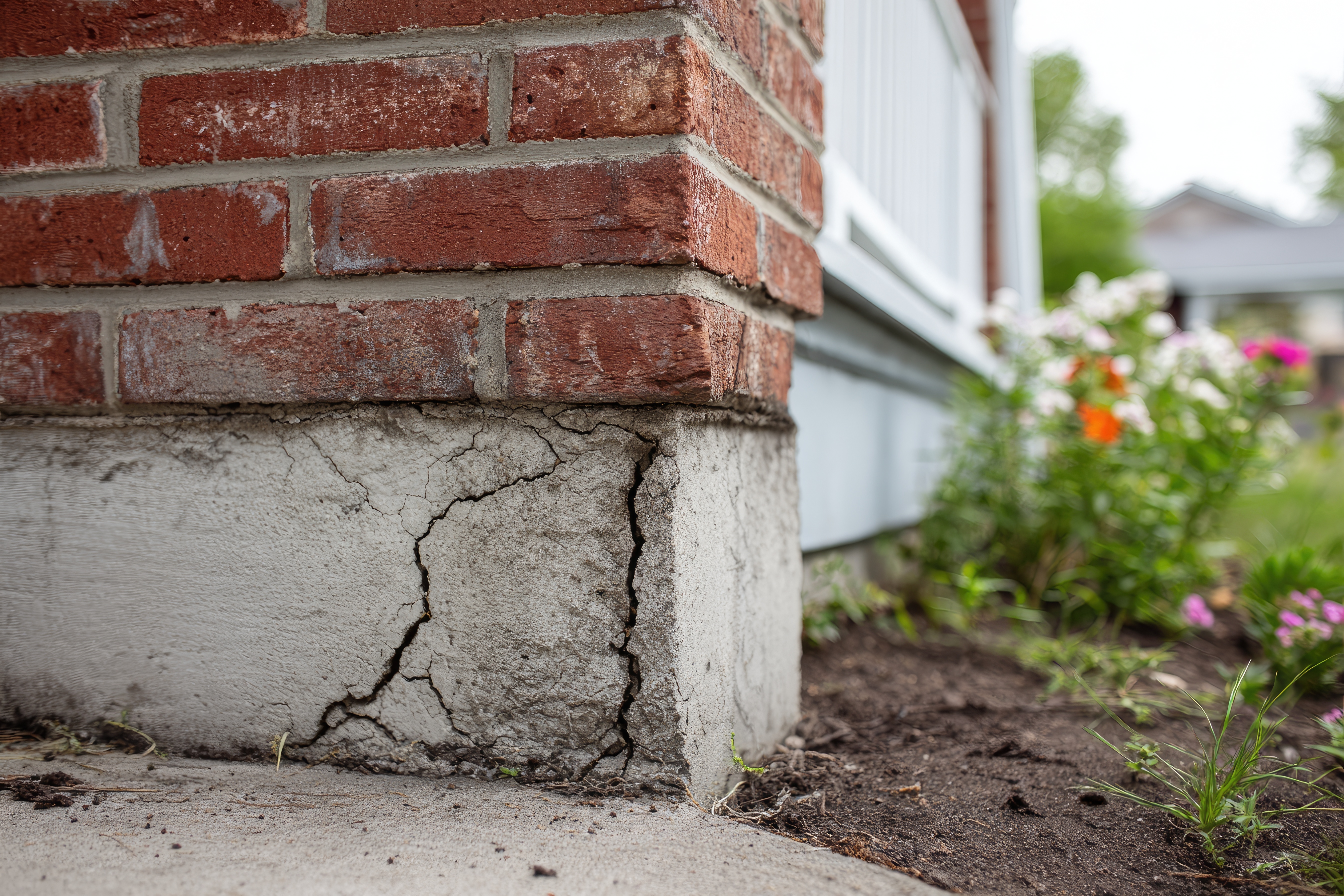
The most common signs of foundation failure include cracks in interior plaster or exterior brickwork (especially around door and window frames), sticking doors or windows, and unexplained sloping floors.
26 May 2026 | 4 min read
How do I know if my house has foundation problems?
In New Zealand, these issues are often caused by reactive clay soils, poor drainage, or historical seismic activity. If cracks are wider than 5mm or appear in a "stair-step" pattern, you should consult a geotechnical engineer to determine if the movement is minor settling or serious structural subsidence.
Why foundation health matters in New Zealand
For homeowners in Christchurch, Nelson, and across the South Island, the ground beneath our feet is rarely static. Whether you are dealing with the legacy of liquefaction-prone land or the expansive clay soils typical of the Tasman region, your foundation is the most critical component of your property’s structural integrity.
Early recognition of foundation distress doesn't just save your home; it saves your investment.
Ignoring "small" signs can lead to compromised weather-tightness, reduced property value, and significantly higher remedial costs down the line.
This guide bridges the gap between noticing a crack and understanding the geotechnical forces at play, helping you decide when a "wait and see" approach is safe and when it’s time to call in the experts.
What are the early signs of foundation problems?
Foundation issues rarely happen overnight. Usually, your home will "speak" to you through small, progressive changes.
Recognising these signs early can be the difference between a simple drainage fix and an expensive underpinning project.
1. Exterior Wall Cracks
Not all cracks are created equal. You should be concerned if you notice:
- Stair-step cracks: Specifically in brickwork or concrete blocks, following the mortar lines.
- Horizontal cracks: These could indicate significant hydrostatic pressure (water-logged soil) pushing against your foundation.
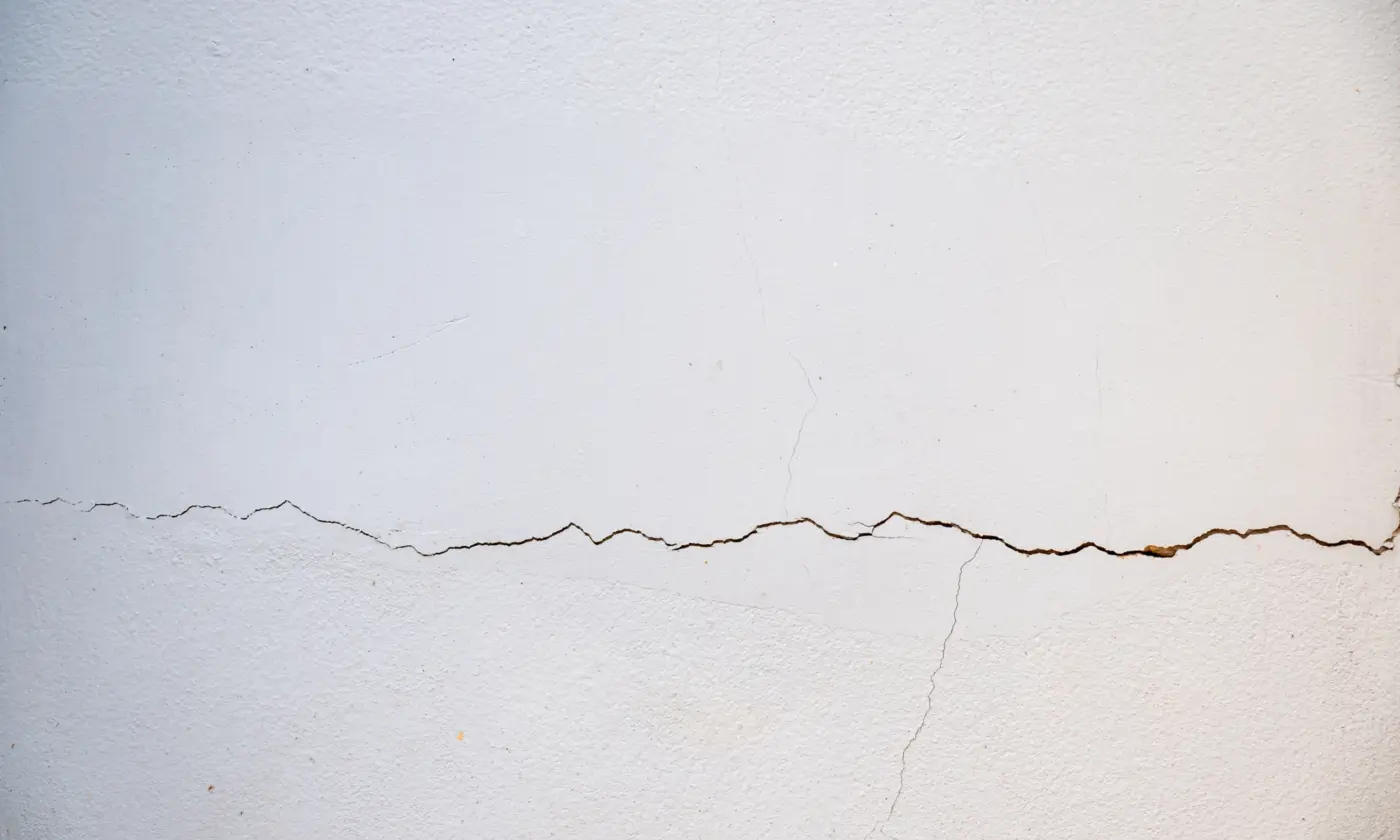
- Wide gaps: Any crack wider than 5mm (roughly the thickness of a pencil) or cracks that are wider at the top than the bottom.
2. Internal Distortions
Your home’s interior finishes often show distress before the exterior does:
- Cracks in plaster: Look above door frames or at the corners of windows. These often suggest one corner of the house is "dipping" or settling faster than the rest.
- Sticking doors and windows: If a door that used to swing freely now drags on the carpet or sticks in the frame, it’s a sign that the rectangular frame has become "racked" into a parallelogram due to foundation movement.
- Nails "popping" out of drywall: Small circular bumps or nails pushing through the plasterboard.
3. Floor Level Changes
In the Canterbury and Nelson regions, seismic history and soil types can cause "differential settlement."
- Sloping floors: Even a slight gradient can be felt when walking or seen if a ball rolls across a hard floor.
- Gaps between walls and floors: Look for daylight or gaps appearing between the baseboard (skirting board) and the floor.
4. External Ground Indicators
The ground surrounding your home provides vital clues:
- Gapping around the perimeter: Soil pulling away from the foundation edge (common in dry seasons with expansive clay).
- Persistent boggy patches: Excess water near the foundation is the #1 enemy of structural stability.
My house has cracks: Will insurance cover it?
This is the most common question we receive at Eliot Sinclair. In New Zealand, the answer depends heavily on the cause of the movement rather than the size of the crack.
The Natural Hazards Commission (Tokutū Ake) vs. Private Insurance
Since the 2024 changes to the Natural Hazards Insurance Act, the landscape for "land damage" has become more defined.
- Natural Disasters: If your foundation problems are a direct result of a sudden event (like an earthquake or landslide), your claim will likely involve the Natural Hazards Commission.
- Gradual Subsidence: Most private policies in NZ do not cover "gradual movement" or "settlement" caused by normal soil shrinkage or poor initial construction.
- The Critical Role of the Report: To even begin an insurance conversation, you will need a Geotechnical Assessment Report. This report acts as your legal evidence, proving whether the damage was sudden (insurable) or gradual (maintenance).

More Insights

40 Years on the Chain: Rick Paulsen’s Story
20 Oct 2026
This year marks 40 years since Rick Paulsen first…
The Role of Geotechnical Engineering in Building Consent
24 Sept 2026
Ground conditions you can't see from the surface…

Slope Stability
22 Sept 2026
Building on sloped land offers unmatched views…