Natural Hazard Assessment
Natural Hazard Risk Assessments for Resource Consent & Regulatory Compliance
Eliot Sinclair delivers specialist natural hazard and technical reporting to support developments right across New Zealand. Navigating changing central and local government regulations requires clear, compliant advice no matter where your project is located. Whether you need a natural hazard assessment for resource consent, pre-purchase due diligence, or a fast-turnaround response to a council RFI, our expert team provides standalone, robust reports tailored to your site's unique requirements.
Natural Hazard Assessment Services
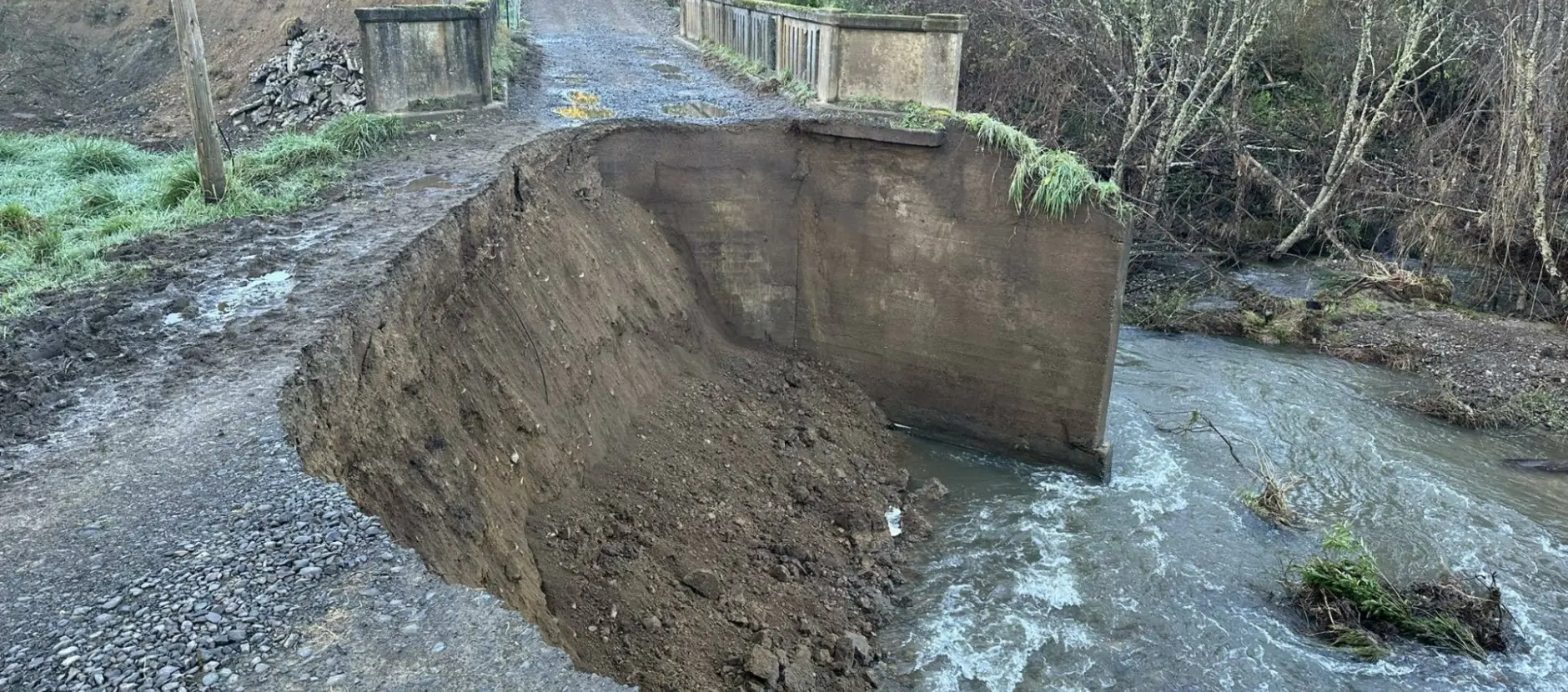
- Coastal erosion
- Coastal inundation (flooding)
- Sea level rise (including 100-year and 500-year projections)
- Tsunami
- Liquefaction
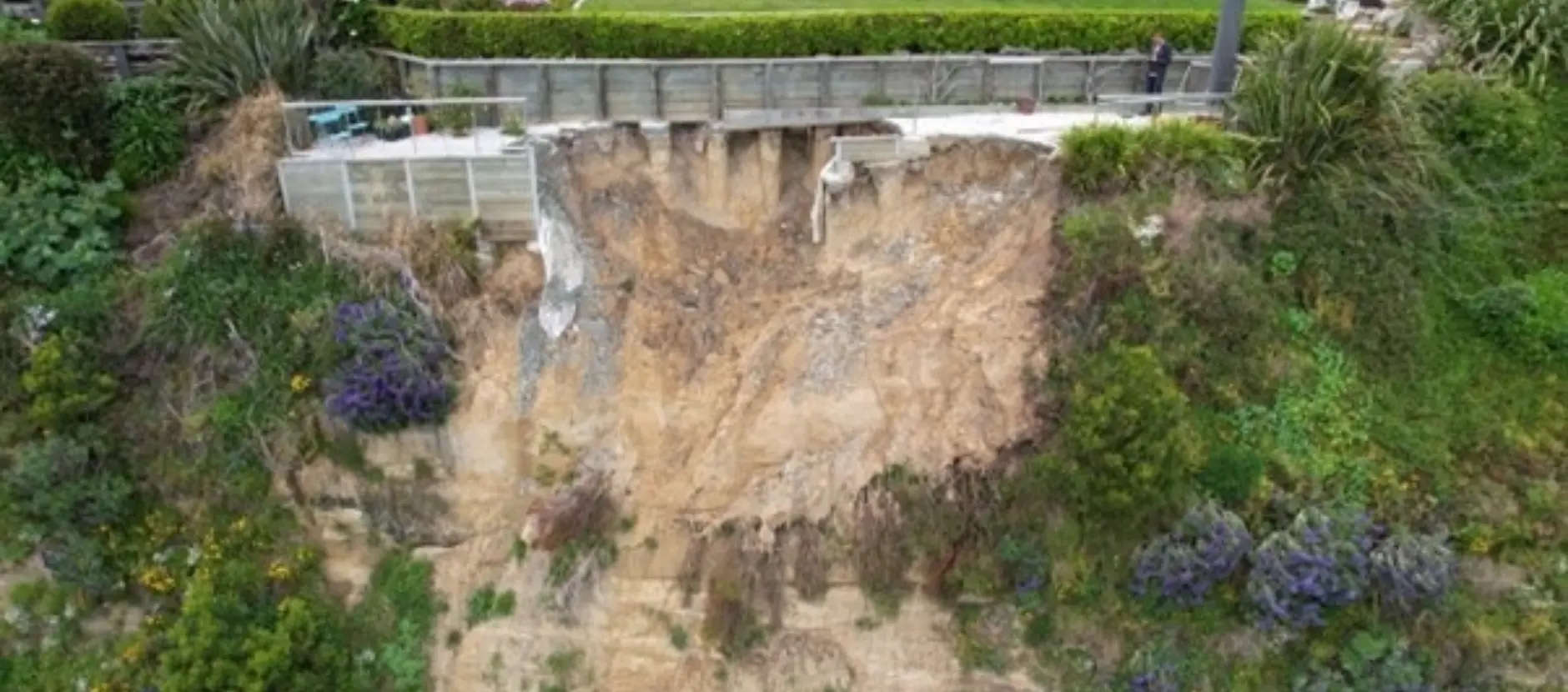
- Landslip


What is a Natural Hazard Risk Assessment
A Natural Hazard Risk Assessment is a formal scientific report required under the Resource Management Act (RMA) and the National Policy Statement for Natural Hazards (NPS-NHJ). It evaluates the specific environmental and physical risks facing a property or proposed land development.
Why You May Require This Assessment:
- Mandatory Consent Requirements: Section 106A has long applied to subdivisions. The introduction of Section 106A expands this mandate to general land development, including minor works, retaining walls, mid-consent, or affected sites.
- Responding to a Coastal Hazard Report: If council has issued a Request for Further Information (RFI) mid-consent, a formal technical report is required before your project can proceed.
- Pre-Purchase Due Diligence: Identifying flood, coastal, or slip hazards prior to land acquisition avoids costly surprises during design or consenting.
For developments in low-lying or coastal areas, a specialised coastal hazard assessment in New Zealand is often needed within this report to meet explicit council standards.
Testimonial | Natural Hazards Commission

Eliot Sinclair’s attention to detail and problem-solving skills have been invaluable
"Luke and the team at Eliot Sinclair’s attention to detail and problem-solving skills have been invaluable in optimising our processes and ensuring that our operations are efficient and effective. Throughout the year, they have consistently demonstrated a commitment to excellence and a passion for what they do."
Todd Niccol | Operations Manager - Natural Hazards
Frequently Asked Questions (FAQs)
What is the difference between a natural hazard risk assessment and a coastal hazard assessment?
A natural hazard risk assessment evaluates a broad range of physical and environmental threats to a property, including landslides, liquefaction, slope instability, and inland flooding. A coastal hazard assessment is a specialist sub-category within this process that focuses specifically on coastal and estuarine risks, such as sea level rise projections, tidal inundation, and shoreline erosion.
Why has council requested a natural hazard assessment for a minor project like a retaining wall or house extension?
Recent updates under Section 10GA of the Resource Management Act (RMA) expanded natural hazard assessment rules beyond large subdivisions. Councils must now evaluate natural hazard risks for smaller land use consents, earthworks, and additions if the property falls within a recognised hazard zone (such as sloped terrain or low-lying coastal areas).
I received a Request for Further Information (RFI) from council regarding coastal hazard risk. What should I do next?
An RFI halts your resource consent process until the requested technical reporting is supplied. Eliot Sinclair can review your council RFI letter, conduct the required technical modelling and site analysis, and prepare a fully compliant coastal hazard assessment report to unblock your consent application efficiently.
What is the National Policy Statement for Natural Hazards (NPS-NH), and how does it affect my consent?
The NPS-NH introduces a standardised, national framework for assessing natural hazard risks across New Zealand. It mandates specific technical notations, hazard mapping, and risk-tolerance matrices (evaluating scenarios across 300-year and 500-year horizons). All new consent applications in affected zones must align with these standards.
Can a natural hazard risk assessment be completed during pre-purchase due diligence?
Yes. Commissioning an assessment prior to purchasing land or committing to a development allows you to identify flood footprints, ground stability issues, or sea rise risks. This insight helps you make informed investment decisions, avoid costly redesigns, or determine appropriate floor levels before committing capital.
Latest Natural Hazard Assessment insights
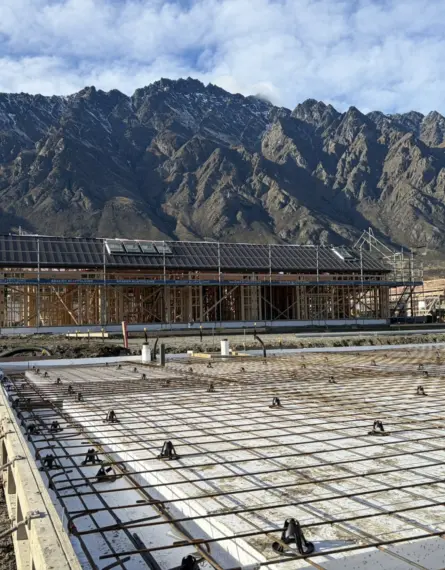
The Role of Geotechnical Engineering in Building Consent
24 Sept 2026
Ground conditions you can't see from the surface…
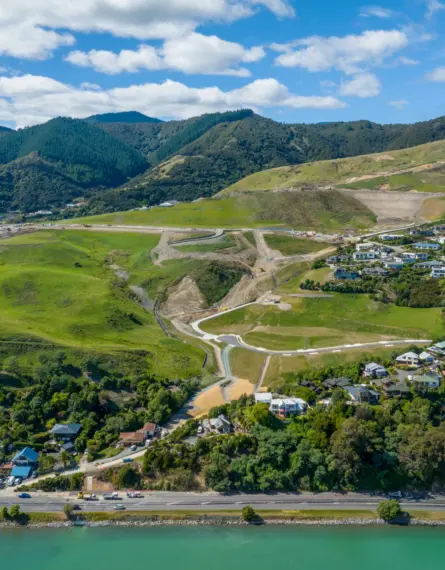
Slope Stability
22 Sept 2026
Building on sloped land offers unmatched views…
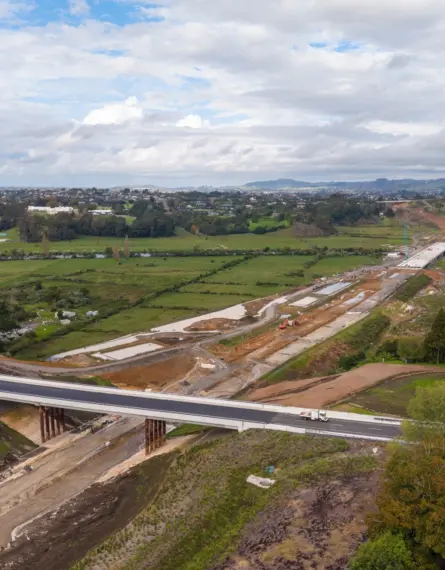
Geotechnical Engineering in Road Construction
27 Aug 2026
Every civil contractor and property developer…



Our services