The Ground Truth: Geotechnical Engineering in Road Construction
Every civil contractor and property developer knows the sinking feeling of a pavement failing prematurely. When a new road cracks, ruts, or subsides, it is rarely the asphalt at fault. It is the ground underneath.
27 Aug 2026 | 4 min read
Road construction is incredibly capital intensive, and the longevity of your final surface relies entirely on subgrade stability. Failing to accurately assess these subsurface conditions leads directly to budget blowouts, severe project delays, and frustrating rework. For anyone managing civil infrastructure, understanding the basics of geotechnical engineering is critical for protecting your bottom line.
What is Geotech in Road Construction?
Whether you are a local council planning a new arterial road through a greenfield subdivision, a developer laying out internal roading for a residential development, or a government contractor assessing storm damage to a section of state highway, the foundation of every successful road project is the same: understanding what lies beneath the surface.
At its core, geotech in road construction is the rigorous process of evaluating the native soil (the subgrade) to ensure it can safely support the base course, asphalt, and years of heavy traffic.
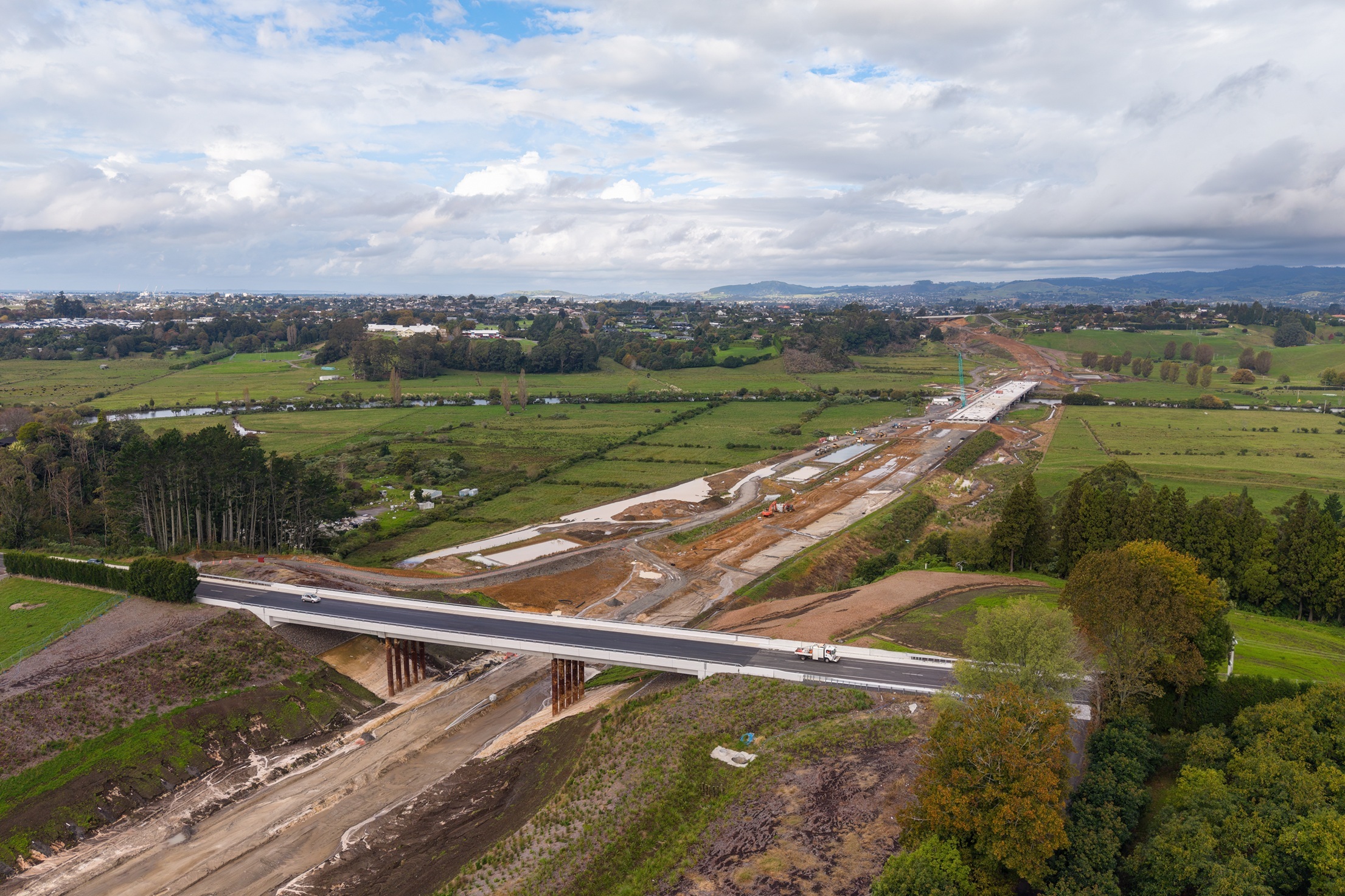
The smartest way to deal with bad ground is to avoid it entirely. For a developer selecting a roading layout within a new subdivision, this means route options can be adjusted early in the design process before any civil plans are finalised. For an infrastructure team responding to a washed-out highway, it means understanding why the failure occurred before committing to a repair method. In both cases, the process begins long before any machinery arrives on site. By mapping out the route carefully, project managers can bypass soft soils, known slip zones, and areas with shallow groundwater.
Early investigation typically starts above ground. An accurate topographic survey reveals the surface contours, while geotechnical constraints mapping and Geographic Information Systems (GIS) overlay complex geological data onto the proposed alignment. Identifying soft soils, known slip zones, or areas with shallow groundwater at this stage prevents expensive redesigns later and, in the case of existing infrastructure, helps determine whether a like-for-like repair is even appropriate.
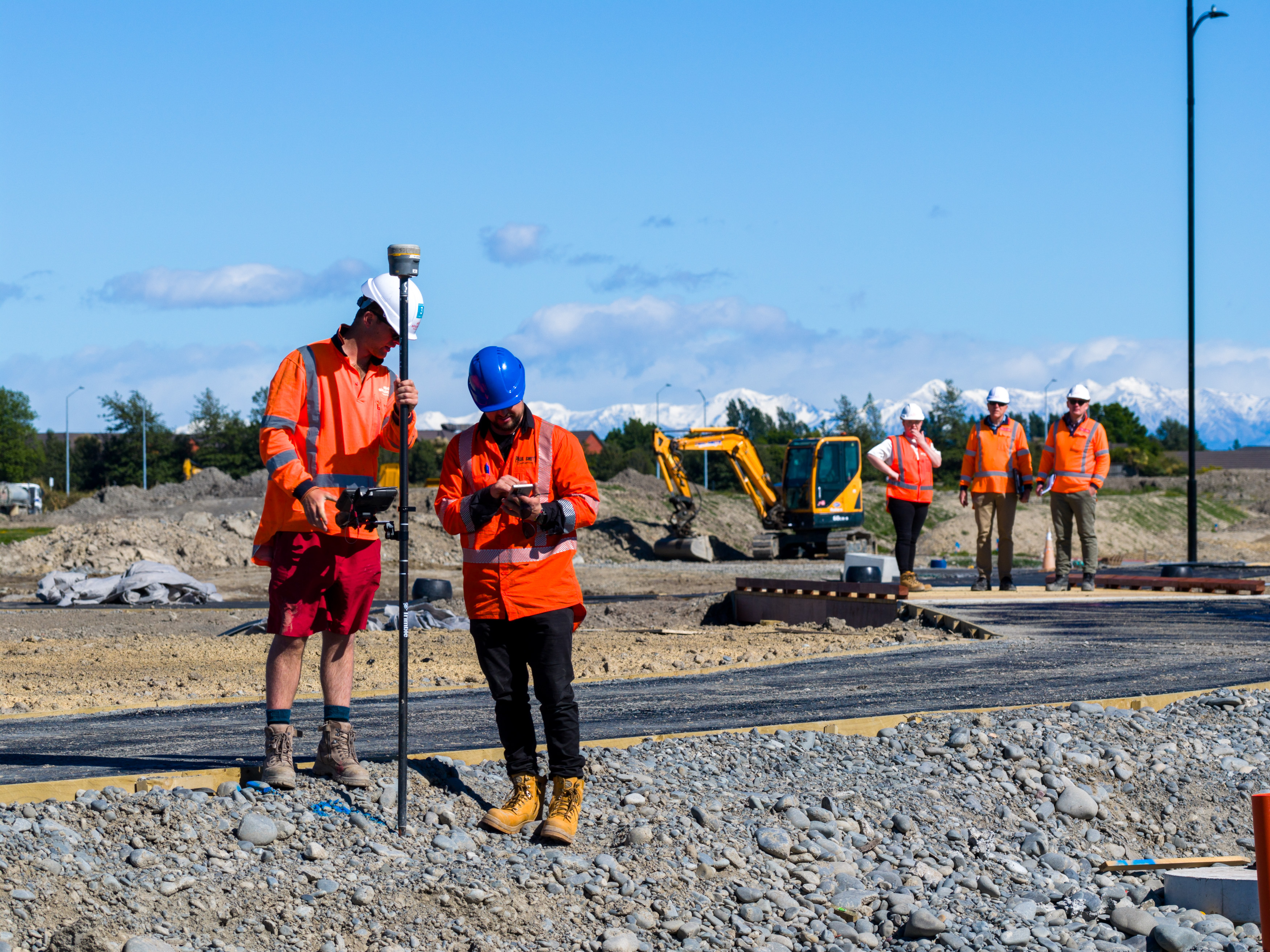
Where ground conditions are already defined, such as an existing road corridor or a partly developed site, geotechnical engineering shifts toward evaluating those conditions in detail, assessing the risks to the road structure, and supervising correct earthworks construction.
Ultimately, the main reason why you need to hire a geotechnical engineer is to translate these unseen risks into exact, reliable design specifications.
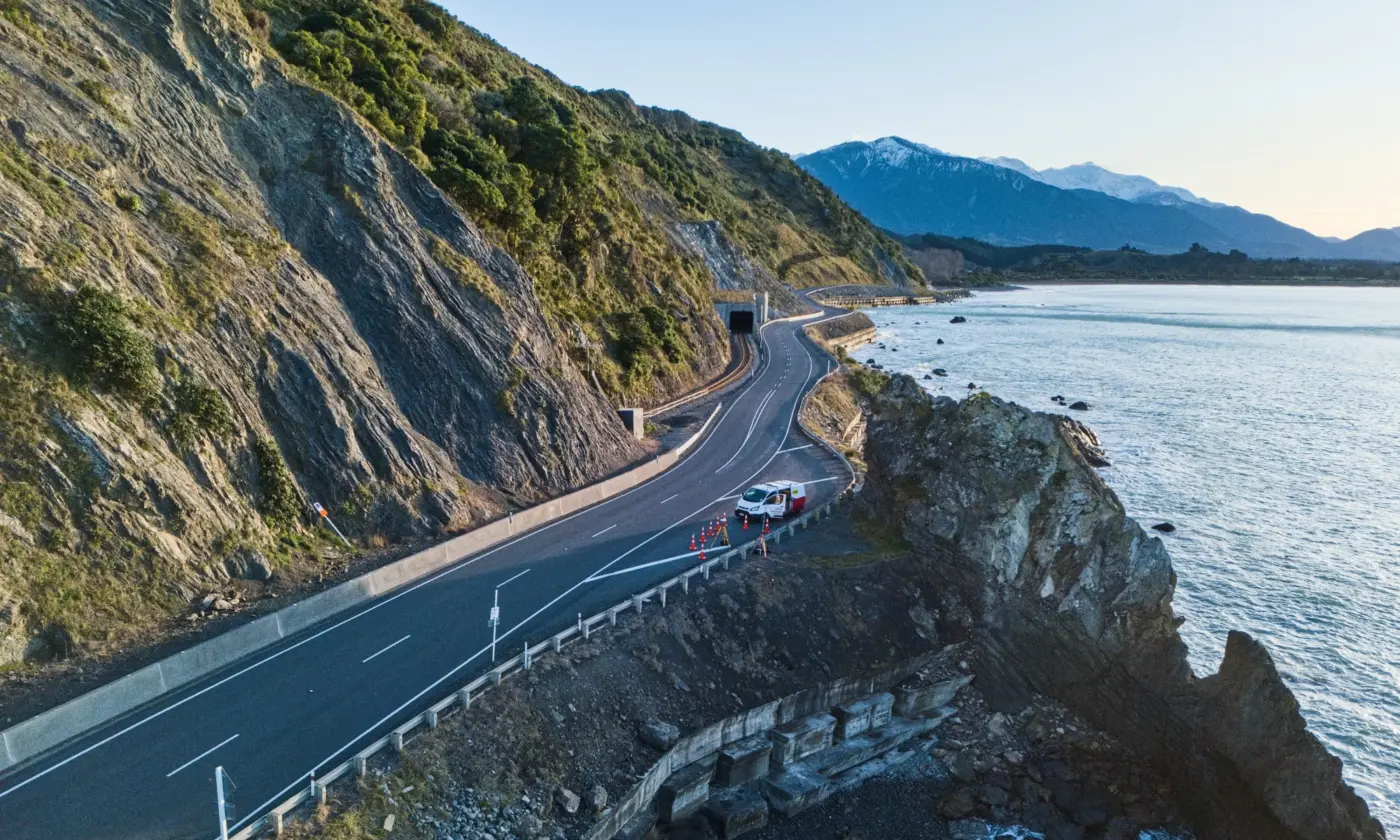
New Zealand's terrain makes this more than an abstract engineering consideration. When the 2016 Kaikōura earthquake triggered more than 200 landslides along the SH1 corridor, it closed the highway for 13 months and required one of the most complex road repairs in New Zealand's history. The ground beneath that highway had always carried seismic and geological risk and was revealed by the earthquakes. Geotechnical investigation before and during construction is what allows engineers to understand those conditions and design accordingly, so that when the ground moves, infrastructure is more likely to survive it.
Finding the Right Ground for Durability
Once the route is locked in, the focus shifts to the ground. The specific properties of your native soil will make or break the durability of the road.
If you are wondering what the best soil type for road construction is, you are looking for a well-graded mixture of gravel and sand. These coarse-grained soils are the gold standard because they drain freely, compact tightly, and resist shifting under heavy loads.
On the other end of the spectrum are soils that cause chronic problems for road builders. New Zealand has several common offenders. Expansive clays shrink and swell with seasonal moisture changes, causing the road surface above to crack and deform over time. Peat and organic soils, found across parts of the West Coast, Southland, and low-lying areas throughout the South Island, compress under load and continue to settle long after construction is complete. Loess, the fine wind-deposited silt common across Canterbury, Marlborough, and Otago, can be stable when dry but collapses rapidly when saturated. Alluvial silts and soft clays deposited in river valleys and coastal plains also present bearing capacity challenges, particularly where water tables are high. If your route crosses these problematic soils, they will need to be excavated or stabilised.
This is why relying on assumptions is a recipe for disaster. Soil testing ensures your road or pavement design matches the actual ground conditions, saving you from the twin traps of under-engineering (early failure) and over-engineering (wasted budget).
What are the Geotechnical Field Tests for Road Construction?
To get the exact data needed for a precise design, engineers rely on a specific toolkit. During geotechnical site investigations, you will typically see a combination of these common field tests:
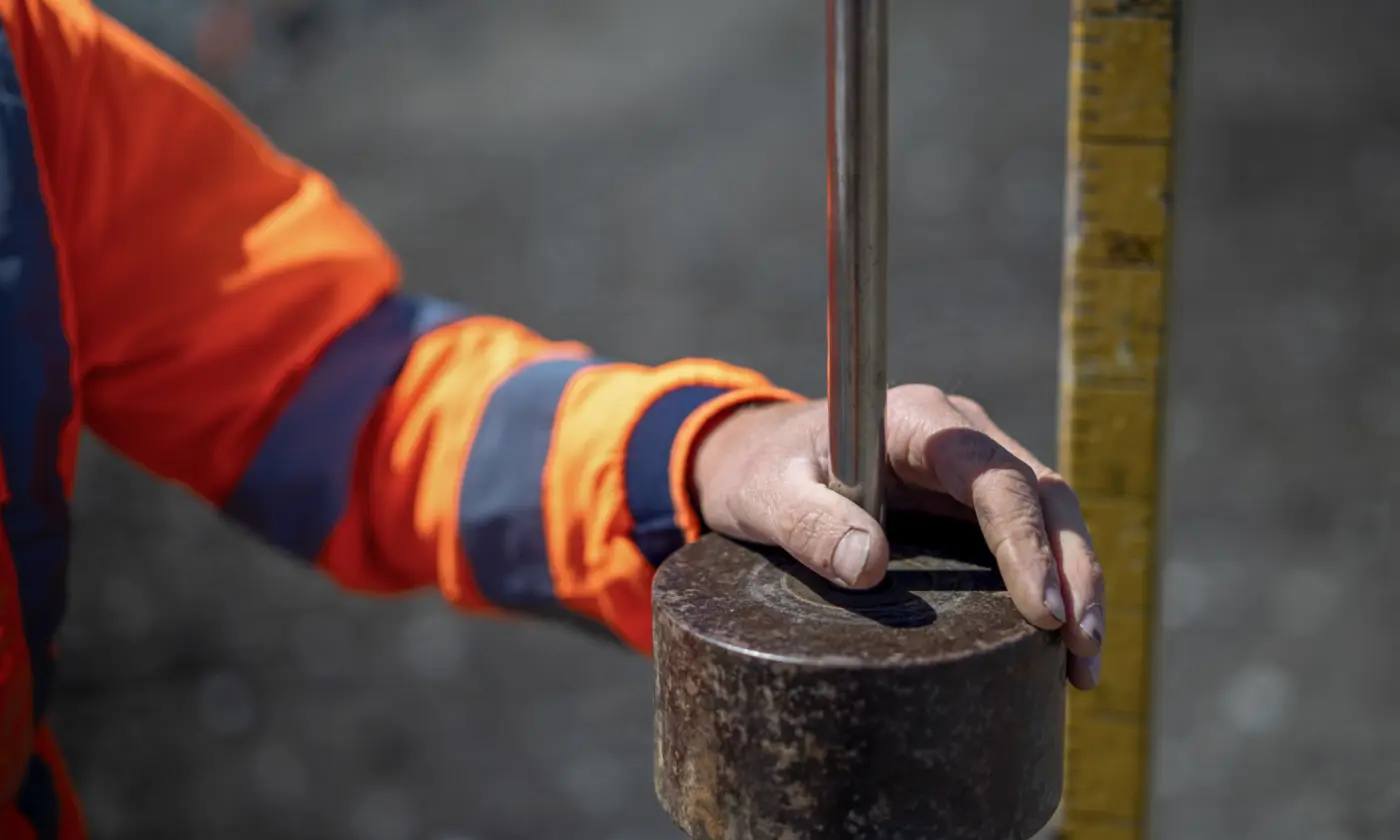
- Dynamic Cone Penetrometer (Scala): A rapid test to check the strength of the soil profile at shallow depths.
- Test Pitting: Excavating trenches to visually inspect soil layers, locate groundwater, and grab samples for the laboratory.
- Nuclear Density Testing: Used during the construction phase to prove the imported aggregate has been compacted to the required regulatory standard.
However, the most relevant test in road construction is the California Bearing Ratio (CBR) test. It directly measures the strength and bearing capacity of your subgrade. For pavement engineers, the CBR value is everything. A low CBR means weak soil, forcing you to use a much thicker, more expensive layer of base course. A high CBR proves the native ground is strong, drastically reducing the required pavement thickness and keeping your material costs down.
Tackling Complex Terrain
Roads rarely run perfectly flat. Alignments often require cutting into hillsides or building large embankments, introducing serious slope stability risks.
When you cut into a slope, that exposed face must be locked down against erosion and landslides. New Zealand's terrain makes this a recurring challenge on our state highway network. At Haast Pass, a section of State Highway 6 sat under a decades-long slope threat from poorly bedded sandstone above a coastal alpine corridor. The eventual solution required a 115-metre reinforced concrete capping beam supported by 280 micropiles installed in stages to keep the highway open throughout construction. It is a striking example of how an unmanaged cut face can escalate from a maintenance headache into a major structural intervention.
This crossover between earthworks and structural intervention is critical. Knowing when to bring in an expert to design a retaining wall guarantees the long-term safety of both the roadway and the properties above it.
All this fieldwork and testing eventually comes together into a cohesive plan. A geotech report gives project managers clear, actionable recommendations for subgrade preparation, drainage, and pavement thickness.
Accurate data also unlocks sustainable geotechnical engineering practices. Instead of the traditional "dig and dump" approach of trucking out bad soil and hauling in new aggregate, modern engineers often recommend in-situ stabilisation. Blending lime or cement directly into the existing subgrade dramatically improves its CBR value, reduces heavy truck movements on local roads, and can lower overall project costs.
Choosing the Right Partner for Your Road Project
Delivering a successful road requires precision, regulatory know-how, and a deep understanding of local geology. Bringing the right experts in during the planning phase is the smartest way to manage ground risks.
When preparing for your next civil project, knowing what to look for when choosing a geotechnical engineer in New Zealand ensures you have a partner who will protect your timeline, your budget, and your reputation.
If you are ready to start your project on solid ground, get in touch with the team at Eliot Sinclair. Visit our contact page to discuss your upcoming roading and civil infrastructure needs with our geotechnical experts.
More Insights
The Role of Geotechnical Engineering in Building Consent
24 Sept 2026
Ground conditions you can't see from the surface…
Slope Stability
22 Sept 2026
Building on sloped land offers unmatched views…
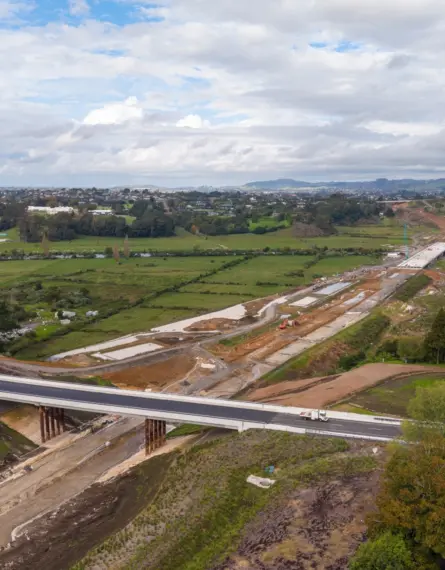
Geotechnical Engineering in Road Construction
27 Aug 2026
Every civil contractor and property developer…